Data centers are driving Aubree Derksen to the polls
By Sarah Horner, MCEA Director of Media Relations and Public Engagement
Aubree Derksen used to live in Minneapolis and still loves a big city, but after six years in Pine Island, small-town life has grown on her. Now she’s fighting to protect it.
She and her family moved to the 4,000-person community near Rochester after her husband got a job in the area. The Zumbro River runs through the center of town, flanked by river bluffs.
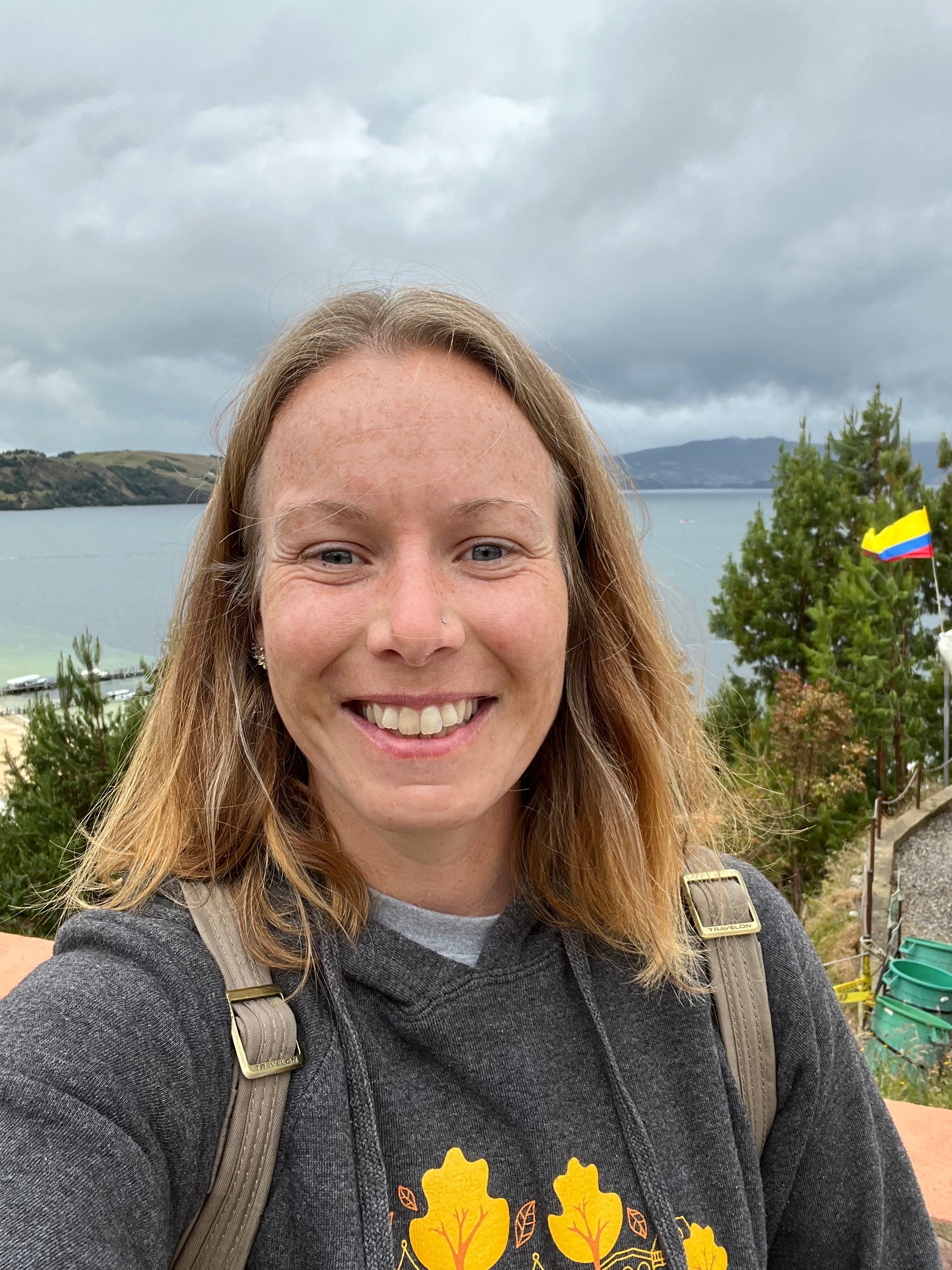
“I love the rolling hills and the farm fields. There’s no rush hour; there’s not even a stoplight,” Aubree said. “It’s a quieter life. I walk to the park. Kids can ride their bikes around town and not worry about cars going 60 miles per hour.”
She imagines how that could change if Google succeeds in building the sprawling 500-acre AI data center campus it’s trying to develop in Pine Island.
“Yes, we need economic growth, but it has to be proportional to the town and in line with what the community wants, not some massive project Big Tech wants,” Aubree said. “People in Pine Island want a cafe on Main Street, not a hyperscale data center.”
Aubree is part of the grassroots community coalition fighting the data center, known as Project Skyway. She’s become a close partner to MCEA, which filed a lawsuit challenging the inadequate environmental review Google and the City conducted on the proposal.
The suit was recently settled on the condition that the proposal undergo a new, state-supervised environmental review with a robust scope and expanded public comment opportunities. The company must also create a mitigation plan that outlines how it will reduce the development’s environmental impacts. After residents weigh in, the Pine Island City Council will have another chance to vote on the mitigation plan.
The new process will hopefully shed more light on residents' worries about the tech campus’ exorbitant energy consumption, what it might mean for their energy bills, and how Google will treat and discharge the water needed for the closed-loop system it reportedly plans to use for cooling.
Aubree’s concerns about the AI data center, and the secrecy that’s surrounded it to date, are top of mind as she prepares to vote in the midterms this week.
She and her neighbors didn’t learn Google was behind the project until after the City Council voted to move it forward, and they’ve repeatedly felt shut out of the decision-making process.
“We’ve got some of the richest companies in the world taking on small farm towns like mine, hijacking our voice and steamrolling our communities with their own agenda,” Derksen said. “We’ve gone to the City Council Meetings. We’ve been showing up and speaking up, but we are either ignored or left out. That’s not democracy. People on the ground in communities should have a say about what happens to them.”
She’s hopeful the settlement will finally uncover sorely missing information about the proposal and that the next class of elected officials will pass a temporary moratorium on AI data center development to give the state time to develop the guardrails needed to better manage its massive impacts.
“It’s not a ban, it’s not never data centers, it’s a pause long enough to do the due diligence needed to study the potential impacts and get the regulations and guardrails in place needed to protect everyone,” Aubree said.
Chief among the regulations Aubree hopes to see implemented is a central state permitting system for AI data centers that would take some of the onus off small communities like Pine Island, and could assess statewide impacts
“Pine Island is a town of 4,000 people going up against Google. There’s no way that isn’t an abuse of power,” Aubree said. “We need good candidates that recognize what’s not working and will support protections, not just for my community but for everyone. We all have a right to clean air, land, and water, and we all need to be good stewards of it for future generations.”