Bold action and coordinated commitment across sectors and industries is needed to protect Minnesotans and the unique and iconic wilderness that defines our state from the worst impacts of climate change.
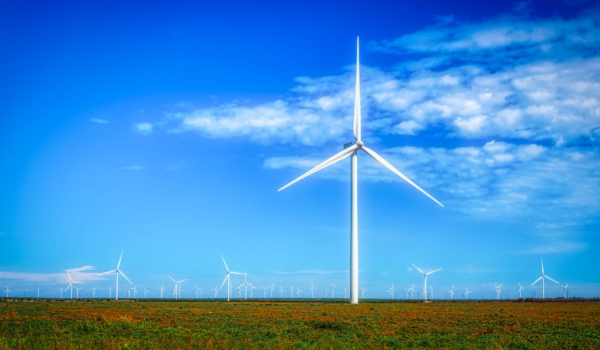
We’ve made notable progress. Today, more than 50 percent of Minnesota’s electricity comes from clean energy. In 2023, the state passed landmark legislation aimed at ensuring 100 percent of the electricity provided to Minnesotans comes from carbon-free sources by 2040. It was a massive and critical victory for the climate, especially considering the successful decarbonization of nearly every other sector largely depends on the electric sector going first.
But there's still a long way to go.
The state’s 100 percent clean electricity law has compliance loopholes that require watchdogging. Some leading greenhouse gas-emitting sectors aren’t addressing their impact. There are also risks of sliding backward as Minnesota grapples with a wave of hyperscale data center proposals which, if developed, would skyrocket energy demand and could complicate our state’s ability to meet our climate goals.
We cannot afford to let our efforts atrophy. From more wildfires stinging our eyes and keeping us indoors to hotter summers, changing winters, and longer droughts, the impacts of climate change on Minnesotans' daily lives are visceral and worsening. Unjustly, as is the case across the world, they also hit hardest in Minnesota’s communities of color.
%20(1).png)
Whether securing retirement dates for coal plants at the Public Utilities Commission, lobbying for laws that hold corporations accountable for climate pollution, or pushing state agencies to strengthen greenhouse gas regulations, MCEA is committed to using our legal and scientific expertise to move Minnesota toward a more equitable, resilient future where everyone can thrive in a stable climate.
Curious how our work to protect Minnesota's water from sulfide mining also helps protect our climate?
Real steps forward.
106,000 tons per year
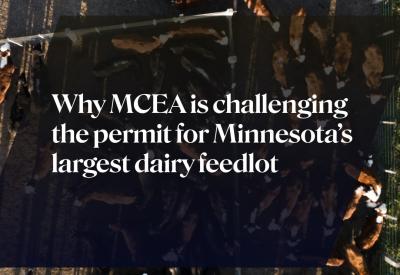
MCEA's win against Daley Farms in court in 2020 not only put the brakes on greenhouse gas pollution from an industrial feedlot, it secured new requirements for the MPCA to consider greenhouse gas emissions in environmental review of all projects.
700,000 tons per year
MCEA has won on nearly every permit given to PolyMet/NewRange’s reckless sulfide mine proposal that we've appealed in court. If built, PolyMet/NewRange’s proposed sulfide mine would rely on electrical power from a utility that relies heavily on coal and other fossil fuels and would destroy hundreds of acres of wetlands and peatlands, the latter of which is our best natural defense against climate change. MCEA’s successful legal challenges of nearly every major project permit have continued to keep the proposal at bay.
2,700,000 tons per year
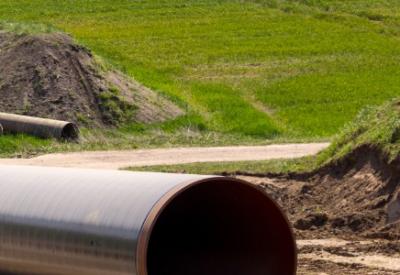
Since 2020, MCEA has fought a new fracked gas plant, the Nemadji Trail Energy Center (NTEC), in the Twin Ports. We continue to work for clean energy alternatives to this proposal.
100%
In 2023, MCEA was part of the coalition of organizations and legislators that committed Minnesota to 100% carbon-free electricity by 2040.
Pushing for Progress
Decarbonizing the electric sector: MCEA knows that every other sector’s ability to decarbonize depends on the electric sector leading the way. That’s why MCEA and our allies have been pushing utilities to transition to clean energy for decades. We’ve made incredible progress. Today, more than 50 percent of Minnesota’s electricity comes from carbon-free sources; every coal plant in the state is slated to retire no later than 2035; and Minnesota passed landmark legislation in 2023 aimed at ensuring all electricity provided to Minnesota customers comes from carbon-free sources by 2040.
Reducing residential impacts: Emissions from residential buildings have jumped 38 percent since 2005. Much of that increase is due to natural gas used to heat homes and run appliances.
MCEA is working at the Public Utilities Commission to make it easier for more residents to access geothermal energy or electric heat pumps for heating, and to remove long-existing incentives that make it easier for so many to choose gas.
Hyperscale data centers: MCEA is also actively engaged in hyperscale data center proposals in the state that could skyrocket energy demand, strain our power grid, and jeopardize Minnesota's ability to meet its climate commitments. MCEA is challenging the environmental review of hyperscale data center proposals that fail to detail potential energy impacts and is pushing the Minnesota Public Utilities Commission to ensure any new hyperscale data centers in Minnesota are powered by clean energy paid for by project proposers.
Agriculture: Finally, MCEA is working to start conversations about climate change across Minnesota’s economy, particularly within the hard-to-budge agricultural sector, one of the biggest contributors of greenhouse gas emissions in the state. We’re using the law to make sure industrial agricultural operators are assessing their greenhouse gas emissions and that state agencies are using Minnesota’s rules and regulations to hold them accountable to reducing their carbon footprint.
Curious about threats to Minnesota’s landmark climate legislation? Click here to learn what’s happening and how MCEA is working to protect one of the state’s most powerful tools for combating climate change.

Minnesotans are leaders. And, in the face of the climate crisis, we must rise to the occasion. Real progress is needed to protect our future and the future of our children. We must act now.
Amelia Vohs, MCEA's Climate Program Director