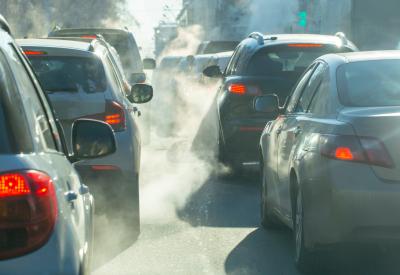
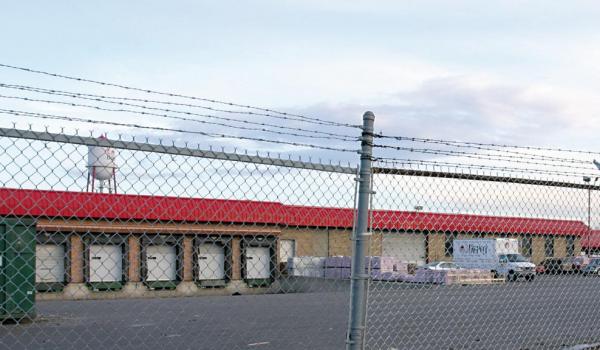
In Minnesota, the color of your skin and economic status are factors that determine your risk for chronic asthma, your exposure to toxins, and a host of other environmental dangers. That is injustice. Concentrated polluting industries, as found in North Minneapolis and elsewhere across the metro area and state, disproportionately impact Minnesotans along racial and socioeconomic lines.
And, like around the world, communities of color are the first and hardest hit by climate change in our state. Legal actions and legislation, in addition to community-centered approaches that strengthen and uplift our most overburdened communities, are needed to address a legacy of environmental racism here in Minnesota, and across the United States.
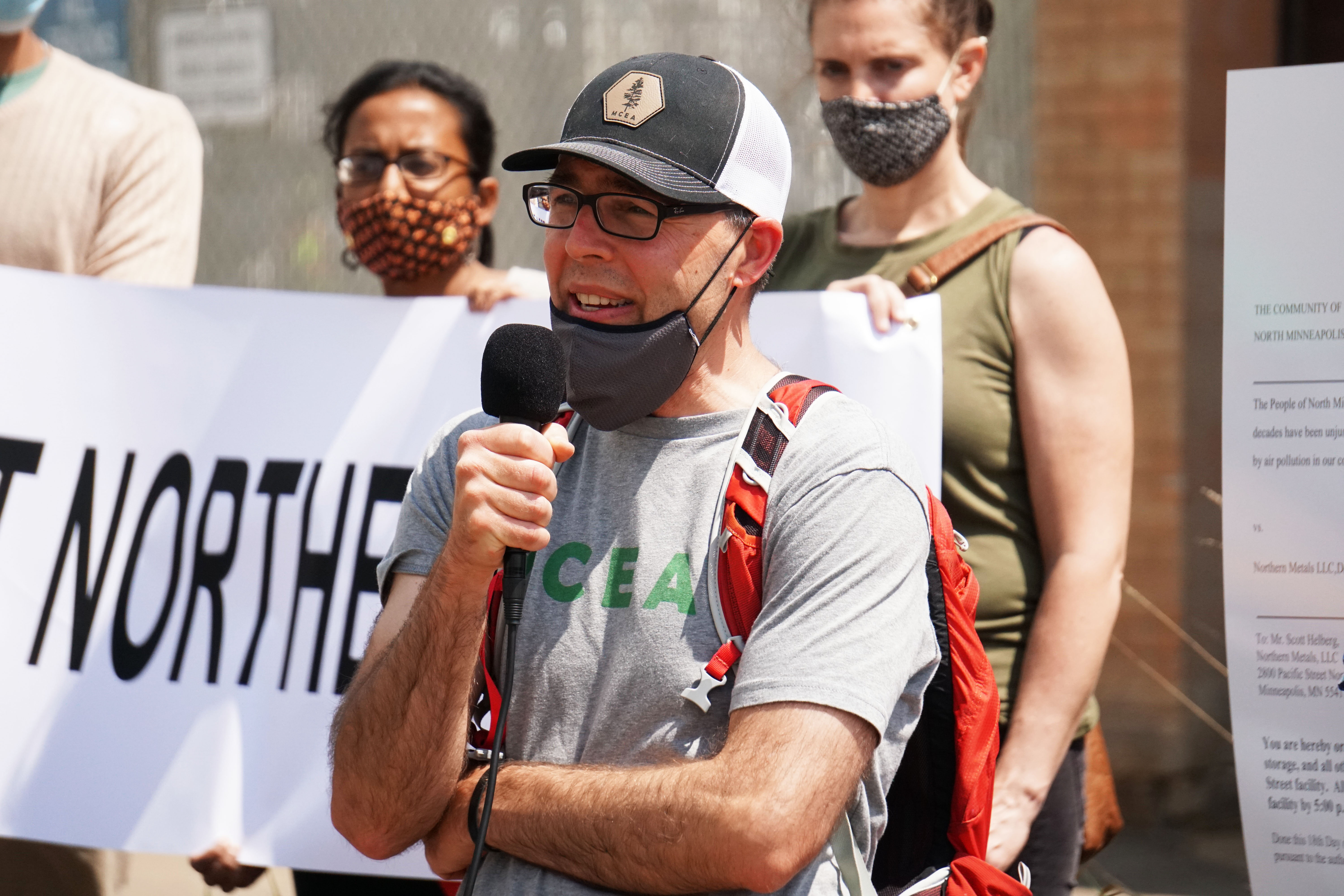
MCEA uses our legal and scientific expertise, along with years of insight and experience working within Minnesota’s regulatory system, to partner with impacted communities. Together, we advance community-centered solutions to address the unjust and disproportionate pollution impacting residents across the state.
Curious how our environmental justice work connects to climate? Click here to learn about MCEA’s work to stop construction of a new gas plant in the Duluth-Superior area that threatened to damage sacred tribal sites and compound historically disproportionate pollution levels for nearby communities.
Want to learn more about the Cumulative Impacts law that the Minnesota Pollution Control Agency is currently establishing rules for? Check out this simple primer.
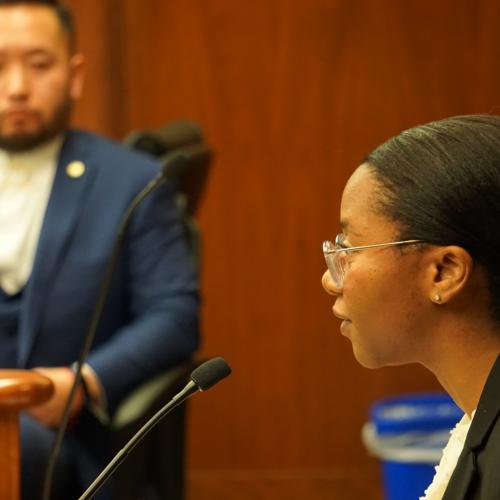
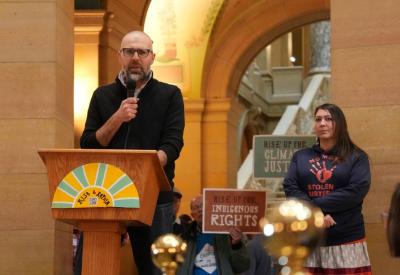
Community members are at a loss when they find that a facility with a permit is in compliance, but they can still smell toxic fumes coming from the facility and asthma rates are not changing for the better … People need to breathe, and they cannot escape the environmental impacts of these facilities.
former MCEA Legal Fellow Suraya Williams, testifying in favor of a bill to require community meetings for pollution permits. (HF 3057, Regular Session 2020)
6x asthma death risk
Among those who were under age 65, the asthma death rate for Black Minnesotans was 6 times higher than it was for white Minnesotans.
3x higher infant mortality
Infant mortality rate for Native Americans is nearly 3x higher than that of white Minnesotans.
9x positive COVID-19 tests
Latinx Minnesotans are testing positive at more than 4 times the overall population and 9 times the white population.
Over 2x the cancer risk
Black Minnesotans have 2.25 times the cancer risk as the average Minnesotan.