Libby Bent is voting to protect our water
By Sarah Horner, MCEA Media Relations and Public Engagement Director
Growing up, Libby Bent recalls piling into her family’s car in Raleigh, North Carolina, and taking long, hot summer road trips to a family cabin off the Gunflint Trail in northern Minnesota.
Spotting Lake Superior as they entered Duluth was always a highlight.
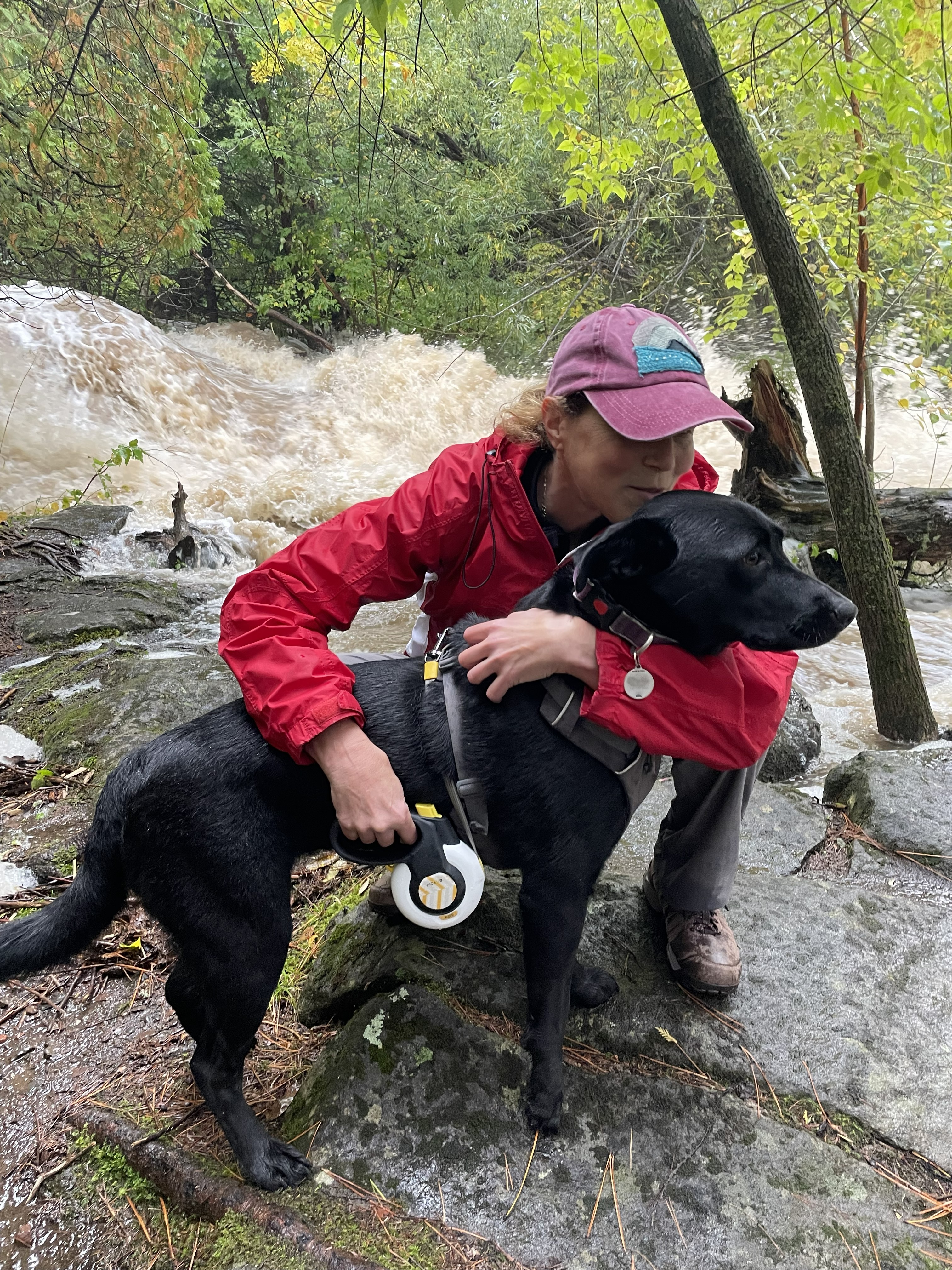
“I remember this excitement of coming over the hill and just seeing the lake. That’s when my brothers and I felt like the last three hot days trapped in a car had been worth it,” Bent said.
Years later, Bent lives in Duluth, where she works as an adjunct chemistry professor at St. Scholastica and lives with her husband and dog Zoey. Now she sees Lake Superior almost daily. It still hasn’t lost its appeal.
“Just the other day I got up early to take a bike ride in Lester Park, and I could see the sun coming up over Lake Superior as all this soft light lit up the oranges, yellows and golds of the fall leaves around me,” Bent recalled. “There's truly just an ongoing feeling of awe living near it, and it’s always changing. The magical ice formations it creates in the winter, the ice tinkling as it breaks up in the spring, the sheer energy and power you feel when you take in its expansiveness.”
Bent’s dedication to protecting Lake Superior and water everywhere is part of what’s motivating her to vote.
“When I first moved here, there were almost no algal blooms in Lake Superior; now almost every year we see some. And that’s just one way our lakes are changing,” Bent said. “Worldwide, we’re in a global water bankruptcy. We’ve crossed seven of the nine planetary boundaries. We are in a climate emergency, and warming is accelerating. We need to elect strong leaders who will fearlessly lead us away from the extractive and exploitative policies that are largely causing these changes.”
A leading culprit she’s concerned about is the sulfide mining industry, which has tried for decades to open a sulfide mine a mile upstream of Lake Superior. The proposal, now called NewRange, is one of three sulfide-mining proposals now under consideration in Minnesota.
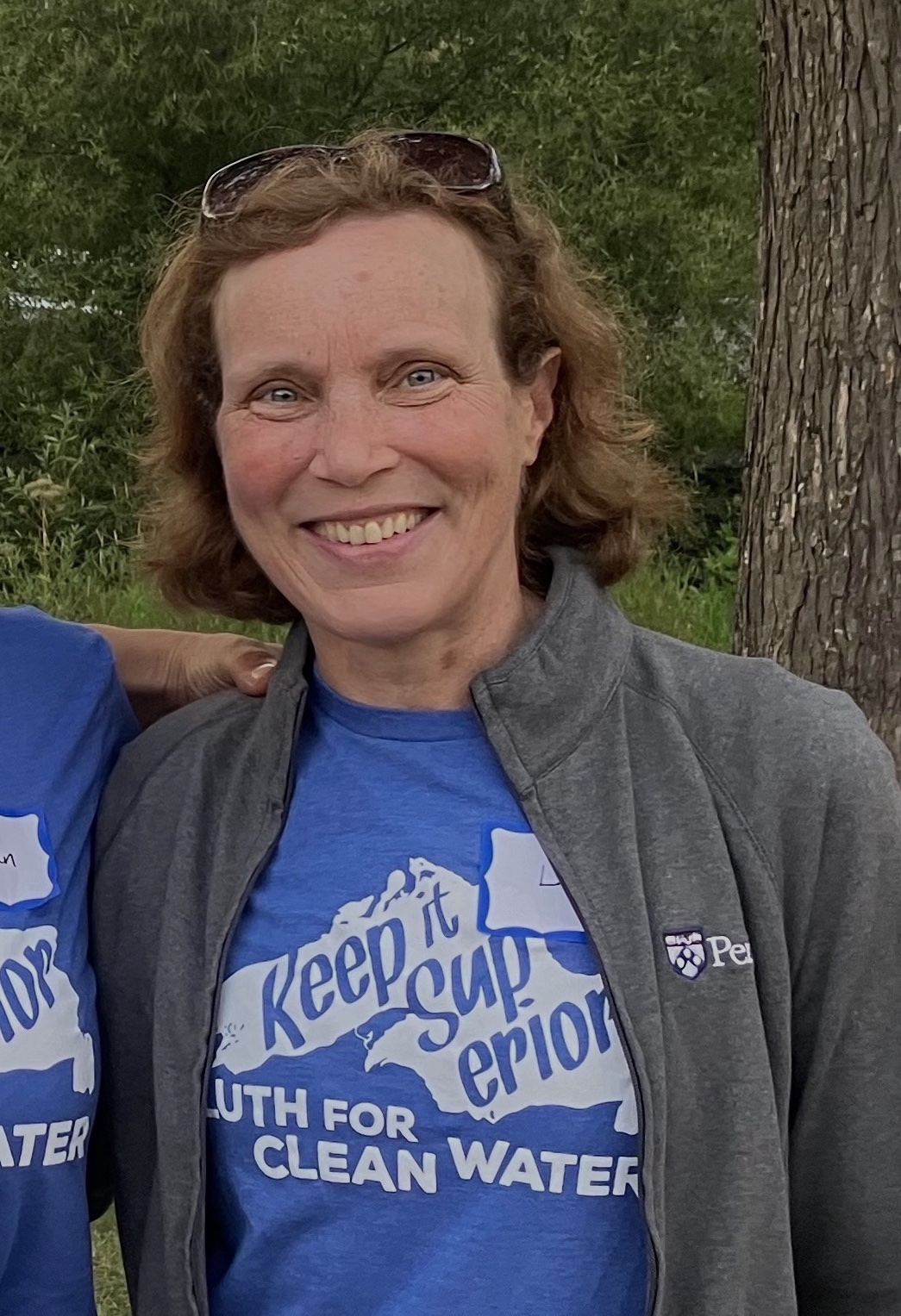
Bent volunteers with Duluth for Clean Water, one of the organizations MCEA has long partnered with in our ongoing effort to protect Lake Superior and downstream communities from NewRange’s plan.
“I remember when I first learned about the proposal, I had this series of “Wait. What?” moments,” Bent recalled. “First it was learning how different oxide sulfide ores are from taconite ores, and then how low grade the sulfide ores here are, which means 99 percent plus of everything extracted would be waste, and then thinking about just how incredibly rare Minnesota’s water complex is here and how the impacts would be irreversible,” Bent said. “To put all of this, Lake Superior and the entire Arrowhead Region and our prized boreal forest and wetlands and downstream communities at risk for the benefit of multinational corporations. It just doesn’t make any sense.”
MCEA has been a critical resource for impacted residents and volunteer-driven organizations like Duluth for Clean Water, Bent said. “Knowing that MCEA has the expertise and staff to carefully read through all the proposals and the permits and can be in the room with lawyers ready to challenge what’s happening if necessary, it’s just invaluable,” Bent said.
She wants elected officials to expand the sulfide-mining ban Governor Walz temporarily put in place in the BWCA watershed across the state.
“None of our waters should be sacrifice zones. If, 50 years from now, we can clean up all the sulfate already in our water from the taconite industry and consider new ways to mine these ores more responsibly, maybe then. But it’s not doable now. Our water can’t afford it.”