
From the bounty of lakes, rivers, and streams crisscrossing our state to the groundwater that comes out of our kitchen taps, in the Land of 10,000 Lakes, our water is our strength. It’s also our responsibility. Today, forty percent of Minnesota’s waterways are impaired — contaminated by industrial pollution, PFAS "forever chemicals," mercury from the taconite industry, road salt, and/or other pollutants. National treasures such as the Boundary Waters, the Mississippi River, and Lake Superior face threats from sulfide-mining interests.
Thousands of people who rely on private wells in the state’s karst region have drinking water contaminated by nitrate pollution from agricultural runoff. These challenges are compounded by climate change and growing industrial demands on our already strained water supply. MCEA fights to address these threats in the courts, at the Legislature, and before state and local agencies by challenging polluters, scrutinizing permits, partnering with impacted communities, and pushing for stronger investments in our water. Together, we can ensure Minnesota’s iconic lakes, rivers, streams, and groundwater are protected for generations to come.
Minnesota’s Nitrate Pollution Problem
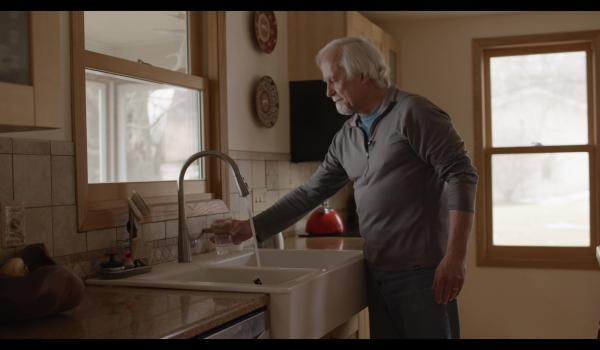
"I don’t understand why we don’t have more anger or panic about our water quality here, and I think it’s because we are normalizing bad water.
-Jeff Broberg
What's at Stake
Minnesota stands at the headwaters of three of the largest and most important watersheds in North America - the Mississippi, the Great Lakes, and Hudson Bay. Minnesota’s water resources are globally significant, and what we do affects everybody downstream. We didn’t get into this mess overnight, and it’s going to take long-term, sustained effort to clean up and protect our water. Luckily, that’s what MCEA is built for. We work over the long haul to drive long-term systemic change that protects our water for future generations.
Our heritage at risk
40% of Minnesota waters are impaired
Hundreds of lakes and rivers are not drinkable, fishable, or swimmable
3 of 4 Minnesotans depend on groundwater to drink
Private and municipal wells provide drinking water to most Minnesotans
500,000 Minnesotans drink polluted groundwater
500,000 Minnesotans’ drinking water has nitrate pollution above safe levels
Recent Clean Water Legal Battles

Water Updates

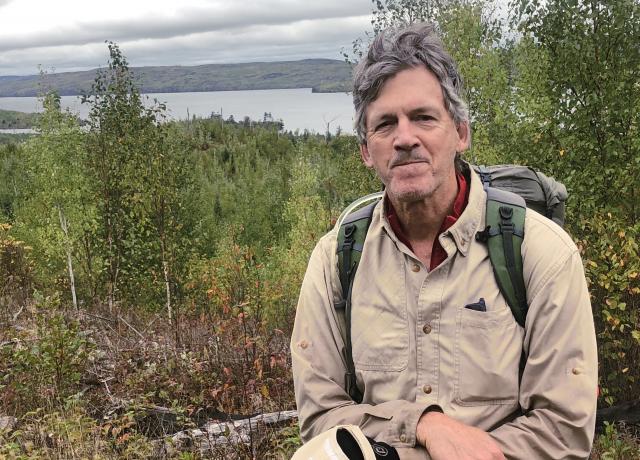
MCEA supporter Ron Sternal on why he's a donor:
"It’s personal. I give to MCEA because I’m angry. I’m angry that the regulatory agencies that are supposed to keep my water clean, my air sweet, and my environment healthy are not doing the job. The lawyers at MCEA are my last chance to stop the polluters; hold our regulatory agencies accountable and talk sense to our elected officials. State wide, and across all environmental issues, my donations to MCEA maximize my impact, and my psychic reward that they’re not going to get away with it. I can fight back!"